
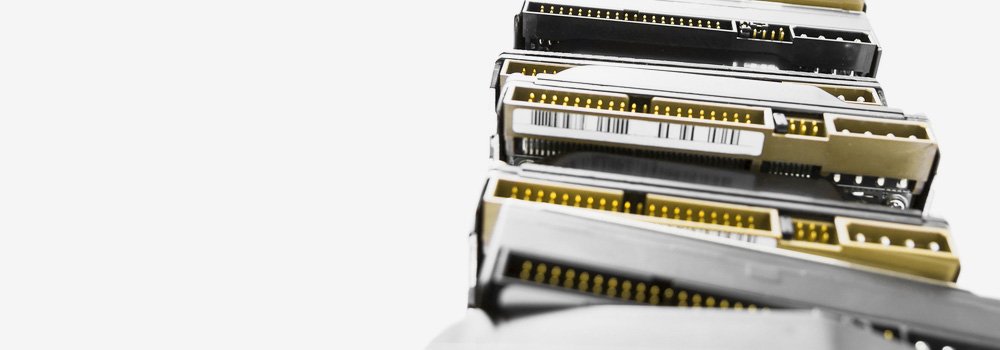







Western Digital Hard Drive, External Drive, SSD, Software and Mechanical Failures:
Hard drives, especially those manufactured by WD, are crucial to contemporary computing, acting as the main data storage medium for both PCs and Macs. Nonetheless, these complex devices are susceptible to various mechanical and software-related failures. Comprehending these failures and their underlying causes is vital for preventing data loss and facilitating prompt repairs when problems occur.
Western Digital SSD Data Recovery: How to Recover Data from a Failed SSD
Western Digital (WD) solid-state drives (SSDs) are renowned for their speed, reliability, and performance. Nevertheless, they are not impervious to failures. Comprehending the typical causes of SSD failure and the measures you can undertake to retrieve data from a non-functioning Samsung SSD is vital for safeguarding your data.
Common Causes of WD SSD Failure
Solid State Drives (SSDs) are distinct from traditional Hard Disk Drives (HDDs) as they lack moving parts, thus minimizing mechanical failure risks. Nonetheless, they may still encounter problems due to various factors:
1. Firmware Issues
Western Digital SSDs depend on firmware to handle data storage and retrieval. Should the firmware become corrupt, it may hinder the SSD’s proper function and render the data inaccessible.
- Symptoms: The drive is not recognized by the system, data access is sluggish, or the drive frequently disconnects.
- Solution: Updating the SSD’s firmware can occasionally rectify these problems. However, should the firmware be extensively corrupted, the intervention of professional recovery services might be necessary.
2. NAND Flash Wear
Solid State Drives (SSDs) utilize NAND flash memory for data storage. However, the memory cells within NAND flash have a finite lifespan and can degrade over time, especially after numerous read/write cycles, potentially leading to data loss.
- Symptoms: Files can become corrupted, the SSD may perform slower than usual, or unexpected crashes might happen.
- Solution: Data recovery for NAND flash wear situations is intricate, necessitating specialized tools and software to retrieve data from degraded memory cells.
Western Digital Mechanical Failures in External and Internal Hard Drives:
Mechanical failures in hard drives stem from the malfunctioning of physical components, frequently caused by wear and tear or external damage. As hard drives possess sensitive moving parts, any interference can result in major malfunctions and the risk of data loss. Common mechanical problems include:
Read/Write Head Failures
The read/write head is crucial for reading and writing data on the platters of a hard drive. It floats mere nanometers above the platter surfaces, without making direct contact. This close distance means that even minor disturbances can result in head crashes.
Causes of Read/Write Head Failures:
- Head Crash: This happens when the read/write head contacts the spinning platters, causing scratches that may result in data loss or corruption.
- Misalignment: The heads may become misaligned due to a sudden jolt or mechanical failure, which hinders data access.
- Symptoms of Head Failures:
- Typical signs of hard drive failure are clicking or grinding sounds, often referred to as the “click of death,” frequent system crashes or errors during file access, and slow data transfer rates.
- Prevention and Solution:
- It’s crucial to handle the hard drive carefully, particularly when it’s in operation. Should you detect any clicking or grinding noises, cease using the drive at once and seek assistance from a professional data recovery service.
Platter Damage:
Platters, the physical disks within a hard drive, store data and are coated with ceramic or glass. They rotate at high speeds, usually ranging from 5,400 to 7,200 RPM, although speeds can be higher in high-performance drives. Physical disruptions to the platters can result in data corruption.
Causes of WD Platter Damage:
- Head Crash: This occurs when the read/write head makes contact with the platter surface, resulting in scratches or gouges that can permanently damage data.
- Dust or Debris: Contaminants within the drive can lead to scratches on the platter surface, which may result in data loss.
Symptoms of WD Platter Damage:
- Grinding or scraping sounds emanating from the drive can lead to data becoming inaccessible or corrupted, with the system also failing to recognize the drive.
WD Motor Failure:
The motor within a Maxtor hard drive is responsible for spinning the platters, which enables the read/write heads to retrieve or store data. Should the motor cease to function, the platters will not rotate, rendering the hard drive non-operational.
Causes of Motor Failure:
- Overuse and Heat: Operating continuously without sufficient cooling can cause the motor to overheat, leading to its eventual failure.
- Power Surges: Sudden power surges can damage the motor or its electronic components.
Symptoms of Motor Failure:
- When powered on, the drive does not spin up and emits buzzing or humming sounds as the motor attempts to engage. Additionally, the computer fails to recognize the drive.
Prevention and Solution:
- Make sure your computer or external drive is well-ventilated and cooled. Employ surge protectors to reduce the risk of damage from power surges. Should motor failure occur, it’s imperative to consult a professional for repair or replacement to salvage the drive and its data.
WD Software Failures in External and Internal Hard Drives:
Software failures are associated with issues in data access, writing, or management on a drive. These problems can be just as detrimental as mechanical faults, leading to inaccessible or corrupted data. Typical examples of software failures encompass:
Causes of Hard Drive Firmware Corruption:
Firmware is crucial software embedded in a hard drive, governing its core functions. If the firmware gets corrupted, it can lead to drive malfunctions or prevent the system from recognising the drive.
Causes of Firmware Corruption:
- Power Loss During Update: A sudden power outage during firmware updates can lead to software corruption.
- Malware or Viruses: Malicious software, such as malware or viruses, can compromise the firmware of a hard drive, hindering its functionality.
Symptoms:
- The drive activates but the operating system does not recognize it. Repeated noises occur when initialisation attempts are unsuccessful, resulting in slow or unreliable data access.
- Prevention and Solution:
- It is critical to complete firmware updates without interruptions, ensuring the use of reliable power sources. Regular updates to your system’s antivirus software are vital for safeguarding against malware. Typically, firmware recovery or replacement is managed by specialized professional services.
File System Corruption:
- Improper Shutdowns: Failing to follow the correct shutdown procedures of the operating system can cause file system corruption.
- Bad Sectors: Hard drives may develop bad sectors over time, potentially leading to data corruption.
- Symptoms of file system corruption can manifest as missing, incomplete, or corrupted files. You might encounter error messages when attempting to access the drive, and it may unexpectedly ask to be formatted despite being previously operational.
Prevention and Solution:
- Regular data backups are crucial for protecting against the loss of important files due to corruption. Utilize disk utilities, such as chkdsk on Windows, to fix file system errors. Should the file system become irreparable by yourself, professional data recovery services may be able to help recover your data.
Western Digital Accidental Formatting or Deletion:
Accidental formatting or file deletion can frequently happen, potentially resulting in the loss of crucial data.
Causes of Accidental Formatting/Deletion:
- Human error may cause the formatting of the wrong drive or the accidental deletion of important files. Similarly, software malfunctions, like bugs in operating systems or file management applications, can lead to unintended formatting or file loss.
Symptoms of Accidental Formatting/Deletion:
- Files and partitions may vanish after formatting or deletion. In disk management utilities, the drive may appear as unallocated or not formatted.
Prevention and Solution:
- Always inspect the drive and its contents before formatting or deleting files. Should you inadvertently erase files, refrain from adding new data to the drive to avoid overwriting data that may be recoverable. Utilising professional recovery tools can assist in retrieving lost data.
Western Digital We recover data from a wide range of WD hard drive models, including:
- Parallel Advanced Technology Attachment (PATA)
- External and Portable USB Drives
- Solida State Drives including SSD, M2
- Integrated Drive Electronics (IDE)
- Extended IDE (EIDE)
- Ultra ATA (UATA)
- Serial ATA (SATA)
- Small Computer System Interface (SCSI)
- Serial Attached SCSI (SAS)
- Solid State Drives (SSD)
- Universal Serial Bus (USB)
- FireWire
- eSATA external/portable hard disk drives
- Personal Computer Memory Card International Association (PCMIA)
The Importance of Professional Help
Mechanical failures, including read/write head crashes and motor malfunctions, as well as software issues such as firmware corruption and accidental deletion, necessitate immediate action to avert permanent data loss. Using a failing hard drive can exacerbate the problem and complicate the recovery effort.
Guildford Data Recovery excels in identifying both mechanical and software issues, providing professional services to restore lost data from compromised WD hard drives. Should your Western Digital drive exhibit failure symptoms, cease its use at once and consult a professional to enhance the likelihood of recovering your critical data.